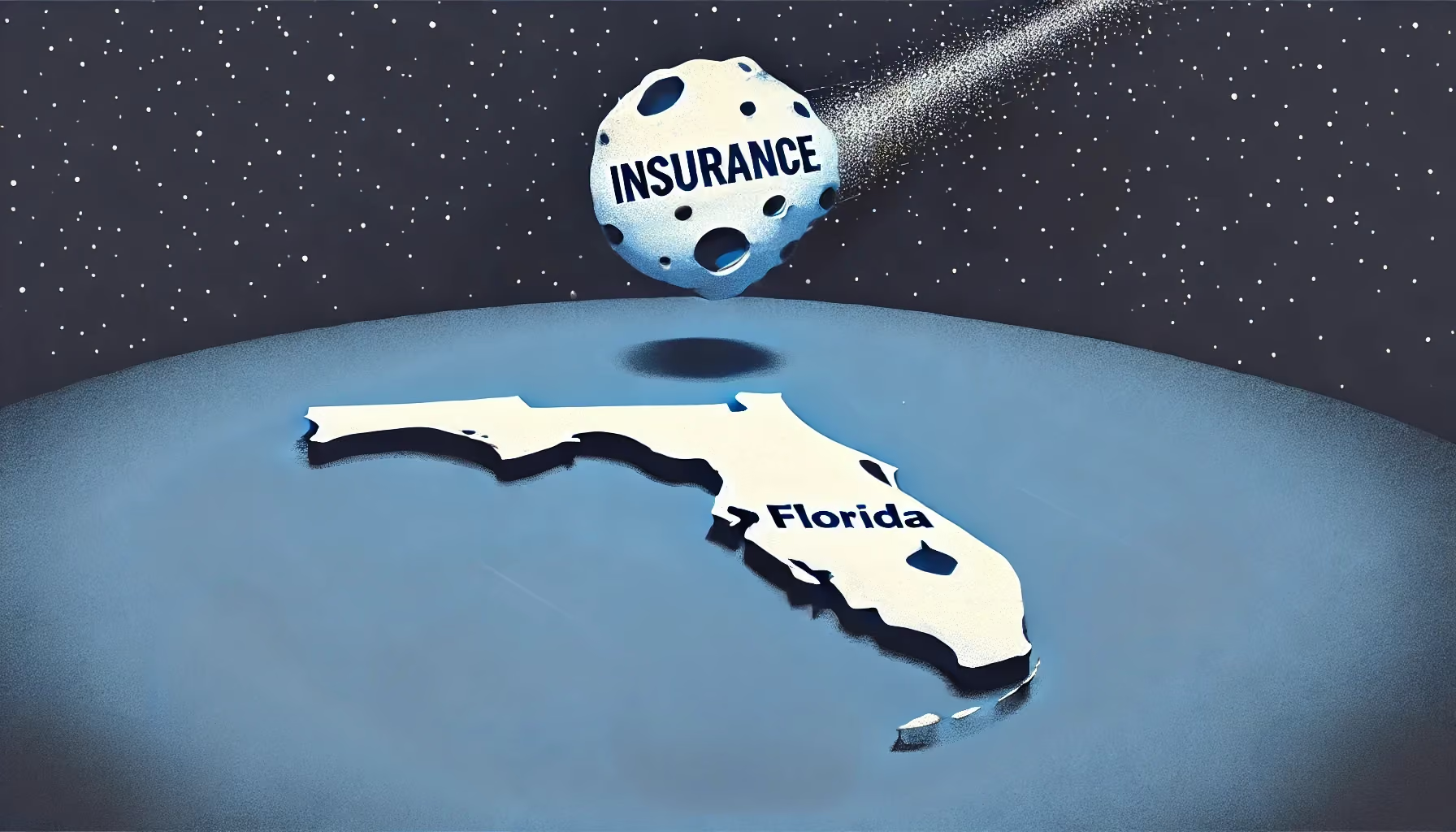
Florida’s property insurance crisis has become a significant concern for property managers, especially in the wake of recent natural disasters and skyrocketing premiums. With insurance costs having surged by over 125% in the last few years, property managers are facing steep challenges in maintaining profitability while ensuring adequate coverage for their properties
Here’s how property managers can navigate this turbulent market and mitigate the impact of rising insurance costs on their operations.
Understanding the Crisis
The Florida property insurance market has been hit hard by multiple factors, including natural disasters like Hurricane Ian, rampant insurance fraud, and a sharp decline in insurers willing to underwrite policies in the state. Seven insurance companies have gone bankrupt since 2022, leaving many property owners reliant on the state-backed Citizens Property Insurance Corp. for coverage
As more consumers turn to Citizens, the risk grows that the state insurer may not have enough reserves to cover future large-scale disasters.
Adjusting Budgets for Rising Premiums
With insurance premiums for both homeowners and commercial properties increasing dramatically, property managers must adjust their budgets accordingly. Increases of 10-30% have been common, and some managers are even seeing 50-100% hikes depending on their properties' locations and risk exposure
Budgeting for these increases is critical to avoid financial strain, and communicating these adjustments to property owners early can help manage expectations.
Mitigating Risks
Investing in risk mitigation measures is a practical way to reduce insurance premiums. Property managers can install hurricane-proof windows, reinforce roofs, and ensure compliance with building codes to potentially qualify for insurance discounts. These improvements not only protect the property from future disasters but can also make the property more attractive to insurers
Exploring Alternative Coverage Options
Given the volatility in Florida’s insurance market, property managers should explore alternative insurance options. For instance, considering surplus lines carriers or partnering with insurance brokers who specialize in hard-to-insure properties can open up more competitive rates. Additionally, staying informed about new insurance companies entering the market can offer new opportunities for coverage
Leveraging Legal and Legislative Developments
Recent legal reforms aim to stabilize the insurance market by reducing fraudulent claims and frivolous lawsuits, which have contributed to rising premiums. Staying updated on legislative changes and working with legal experts can help property managers ensure compliance and potentially benefit from new regulations designed to lower costs
Conclusion
The property insurance crisis in Florida presents significant challenges for property managers, but with proactive strategies, the impact can be mitigated. By adjusting budgets, investing in risk mitigation, and exploring alternative coverage options, property managers can navigate the current insurance landscape while protecting their properties and maintaining profitability.
For more insights on property management best practices amid this crisis, follow our LinkedIn page or reach out to Advanced Collection Bureau for expert advice.
The content, information, and templates provided by Advanced Collection Bureau, Inc. — including but not limited to articles, rental applications, lease agreements, and notice forms — are intended for general informational and educational purposes.
They are not legal advice and should not be relied upon as such. The information is general in nature and may not reflect the most current legal developments or account for the specific requirements of your state, city, or municipality.
Use of this content or any associated templates does not create an attorney-client relationship between you and Advanced Collection Bureau, Inc. We make no warranties or representations as to the accuracy, completeness, suitability, or legal enforceability of any content or document provided. Advanced Collection Bureau, Inc. is not a law firm or an attorney.
By accessing, downloading, or using any material from this website, you acknowledge and agree that you are solely responsible for ensuring compliance with all applicable U.S. federal, state, and local laws, and that you will seek guidance from a qualified legal professional as needed.
Advanced Collection Bureau, Inc., its affiliates, and contributors expressly disclaim any and all liability for any loss, damage, or claim arising out of or in connection with the use or misuse of the content, advice, and templates provided.