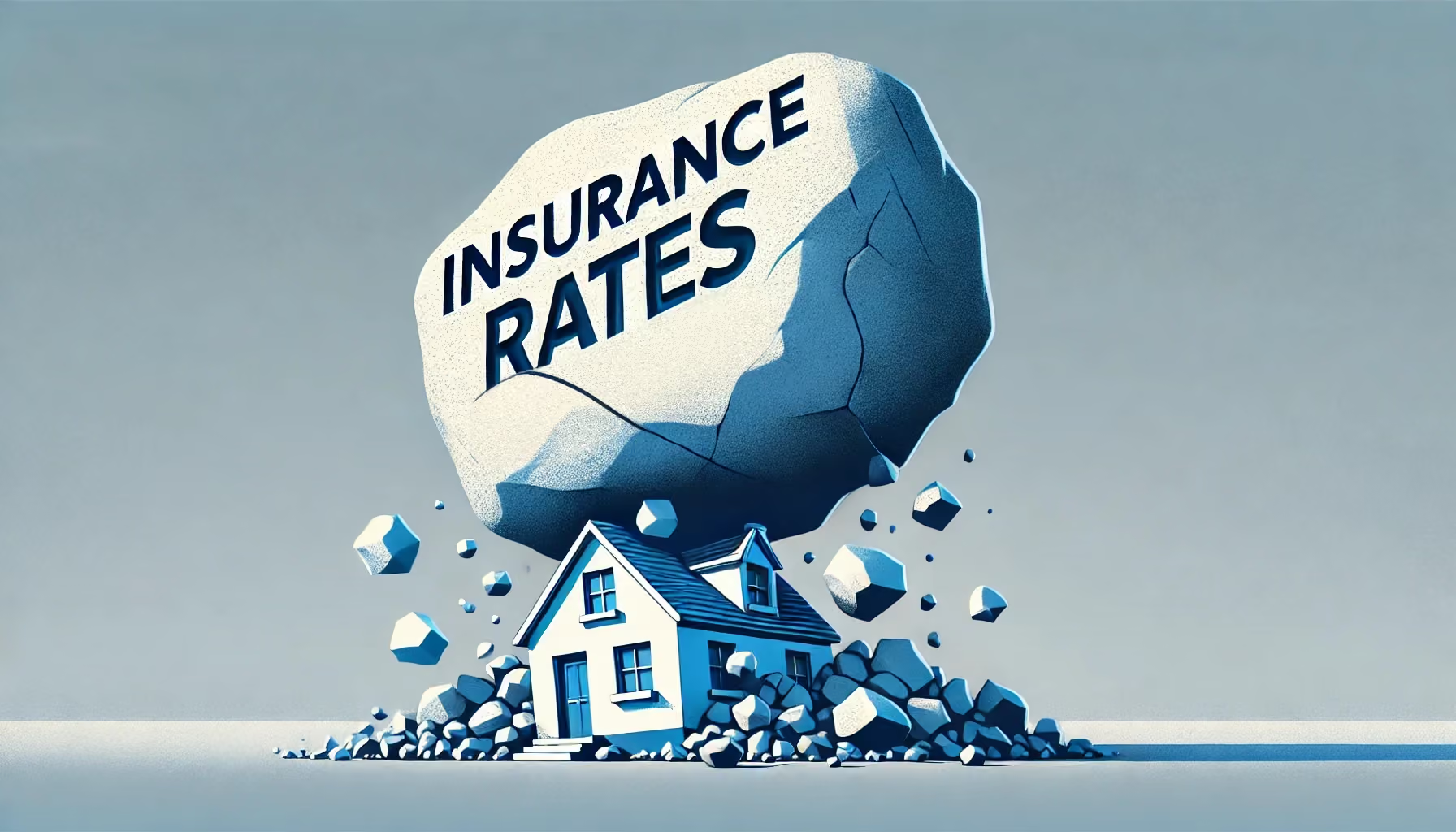
Florida property managers are facing a significant challenge: rapidly rising insurance costs. Over the past few years, Florida has seen some of the steepest increases in insurance premiums in the United States. This surge is driven by a combination of factors, including the increasing frequency and severity of hurricanes, inflationary pressures on construction costs, and a volatile insurance market. For property managers, these rising costs threaten to erode profitability and place additional strain on operating budgets. In this article, we’ll explore the reasons behind the rising premiums and offer strategies to protect your bottom line.
Understanding the Surge in Insurance Costs
Hurricane Damage and Market Volatility
Florida’s susceptibility to hurricanes has always been a critical factor in insurance pricing. Recent years have seen a string of severe storms—most notably Hurricane Ian in 2022—that have caused billions of dollars in damage. These events have strained the resources of insurance companies, leading some to exit the market and others to significantly raise premiums to cover increased risk and reinsurance costs
Inflation and Rising Construction Costs
Inflation has further exacerbated the situation. The cost of building materials and labor has skyrocketed, making it more expensive to repair or rebuild properties after a disaster. This increase in repair costs is directly reflected in the premiums that property owners and managers are now required to pay
Legislative and Market Responses
In response to these challenges, Florida has seen a wave of new insurers entering the market in 2024, which may help stabilize rates in the long term. However, in the short term, property managers are likely to continue facing high premiums as the market adjusts to the new entrants and ongoing risk factors
Strategies to Manage Rising Insurance Costs
Given the inevitability of rising insurance premiums, property managers must take proactive steps to mitigate their impact on the bottom line. Here are some strategies to consider:
- Review and Optimize Insurance Coverage
- Invest in Risk Mitigation Measures
- Consider Group Insurance Policies
- Implement a Contingency Fund
- Stay Informed and Proactive
Conclusion
While rising insurance costs in Florida present a significant challenge, property managers can take steps to protect their bottom line by optimizing coverage, investing in risk mitigation, and staying informed about market developments. By proactively managing these costs, you can ensure the long-term profitability and stability of the properties you manage.
For more insights and strategies on navigating Florida’s complex property management landscape, follow our LinkedIn page or reach out to Advanced Collection Bureau for expert advice.
The content, information, and templates provided by Advanced Collection Bureau, Inc. — including but not limited to articles, rental applications, lease agreements, and notice forms — are intended for general informational and educational purposes.
They are not legal advice and should not be relied upon as such. The information is general in nature and may not reflect the most current legal developments or account for the specific requirements of your state, city, or municipality.
Use of this content or any associated templates does not create an attorney-client relationship between you and Advanced Collection Bureau, Inc. We make no warranties or representations as to the accuracy, completeness, suitability, or legal enforceability of any content or document provided. Advanced Collection Bureau, Inc. is not a law firm or an attorney.
By accessing, downloading, or using any material from this website, you acknowledge and agree that you are solely responsible for ensuring compliance with all applicable U.S. federal, state, and local laws, and that you will seek guidance from a qualified legal professional as needed.
Advanced Collection Bureau, Inc., its affiliates, and contributors expressly disclaim any and all liability for any loss, damage, or claim arising out of or in connection with the use or misuse of the content, advice, and templates provided.